
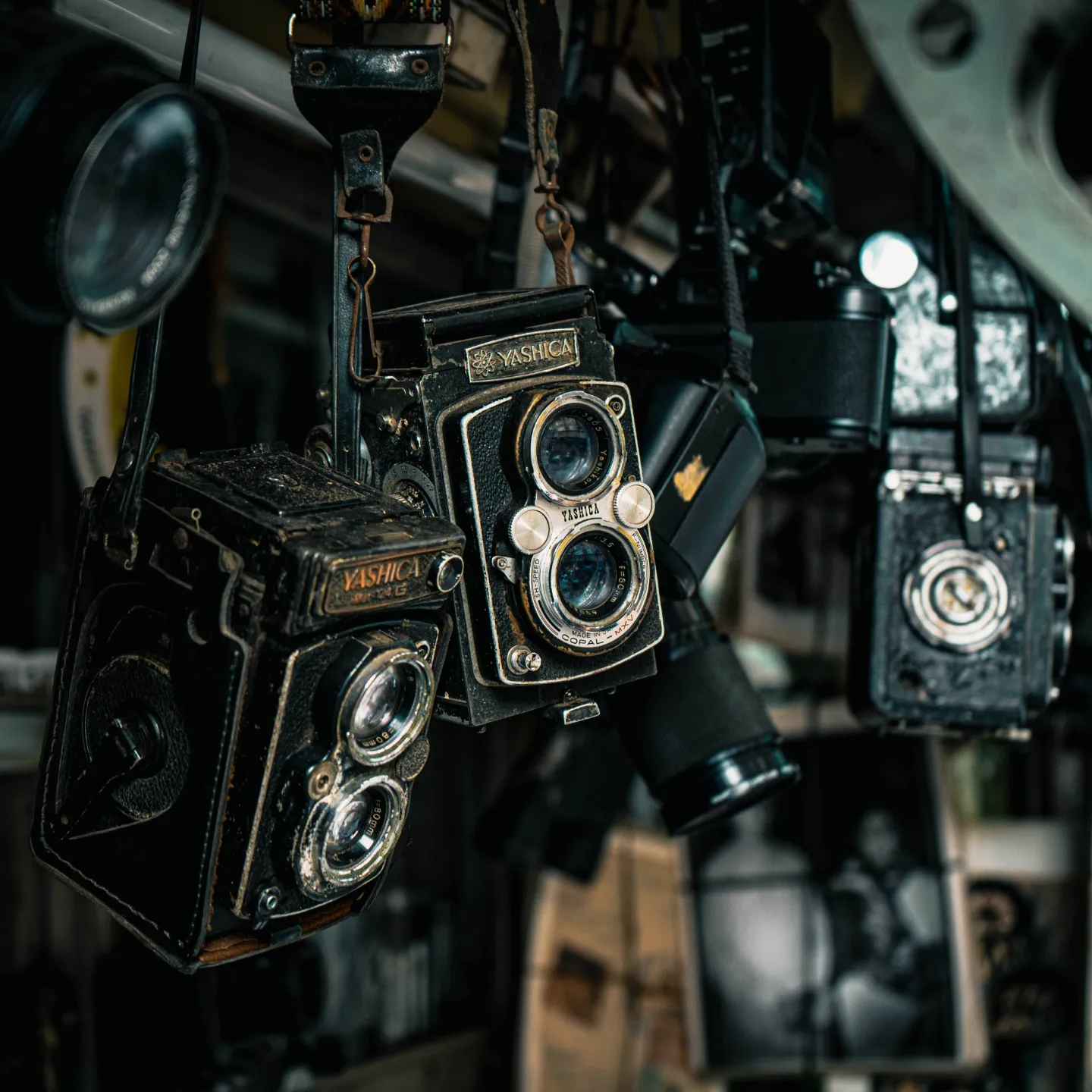
There’s a reason film cameras are showing up again, on shelves, in bags, in the hands of people who’ve never had to load one before. It’s not about better image quality. Digital sensors outperform film in almost every technical sense. It’s about something else: constraint.
When you only have 24 or 36 frames, you can’t afford to shoot the same moment ten times and sort it out later. You have to decide, before you press the shutter, whether this is the shot. That discipline doesn’t disappear once the roll runs out. It changes how you see.
Here’s what shooting with limits, real or self-imposed, can teach anyone who wants to take better photos, camera phone included.
1. Count your shots before you take them. Give yourself an artificial limit, even on digital: ten frames for this scene, not a hundred. You’ll stop shooting on autopilot and start actually looking at what’s in front of you before you press the button.
2. Compose first, fix later never. Without a screen to check, film photographers have to get the framing, the light, and the moment right in the instant it happens. Try shooting a whole session without chimping (checking the screen after every shot). You’ll notice how much more attention you pay to what’s actually happening in the frame.
3. Let the wait build the anticipation. Part of what makes film exciting is not knowing what you got until the roll is developed. You can recreate a version of that patience by not reviewing or editing anything until the shoot is completely over. Distance sharpens your eye for what’s actually good.
4. Treat imperfection as information, not failure. Grain, a slightly soft focus, an unexpected light leak: these used to be flaws to eliminate. Now they’re often the most honest part of the frame. Not every photo needs to be technically perfect to be worth keeping. Some of the best ones aren’t.
5. Shoot for the story, not the highlight reel. A roll of film captures the boring shots along with the good ones, the ones that don’t perform on social media but tell you what a day actually felt like. Keep a few of those. They’re usually the ones people ask about years later.
None of this means you need to buy a film camera (though it’s a genuinely fun way to slow down if you want to try). It means borrowing the mindset: fewer, more intentional frames beat a thousand rushed ones, every time.
That’s the same philosophy we bring to every session at The Ritzy Pixie, whether it’s an event, a product line or a portrait: photography works best when it’s a decision, not an accident. If you’re planning a shoot and want to talk through how to get more intentional, more honest images out of it, we’d love to hear from you.


Not true….Film has a language of its own. Its highlight roll-off, tonal transitions, colour response, grain, texture, and the extraordinary detail that large-format negatives can hold for very large prints. These aren’t effects you simply apply afterwards. They are inherent to how film sees and records light.
And that difference matters. When you understand light well enough to work with the medium rather than constantly correcting it afterwards, a photograph can carry texture, atmosphere and emotion in a way that is difficult to reduce to technical specifications.
Digital has made photography an extraordinarily refined skill. But analog remains an art. Not everyone can make that connection, and that’s precisely what separates taking a photograph from creating one.
It is easy to say that digital is superior in every respect when you don’t really understand what analog does with light, texture, colour and tone.
Thanks for the thoughtful comment. I actually agree with much of what you’re saying about film having a language of its own.
But I think you’re responding to an argument I wasn’t making. The post isn’t arguing that digital is artistically superior to analog or that film and digital see or record light in the same way. The opening distinction is specifically about technical performance versus the discipline of shooting, which is what the rest of the article is about.
In fact, the point is almost the opposite of a digital vs. film argument: you don’t need to shoot film to learn something valuable from the way film forces you to slow down, commit to a frame, work with the light in front of you and accept imperfection.
I completely agree that understanding the medium and understanding light are what allow a photographer to move from simply recording something to actually creating an image. That applies to both, film and digital.
This isn’t a defense of digital over analog. It’s an argument for borrowing a very valuable lesson digital can learn from analog: intentionality.